Interactive projector for public health campaigns, prevention stands and health education
A prevention message that is heard is easily forgotten, but a message that is experienced sticks. Quizzes, image sorting and physical challenges replace the slideshow, with your visuals and questions built in within minutes.
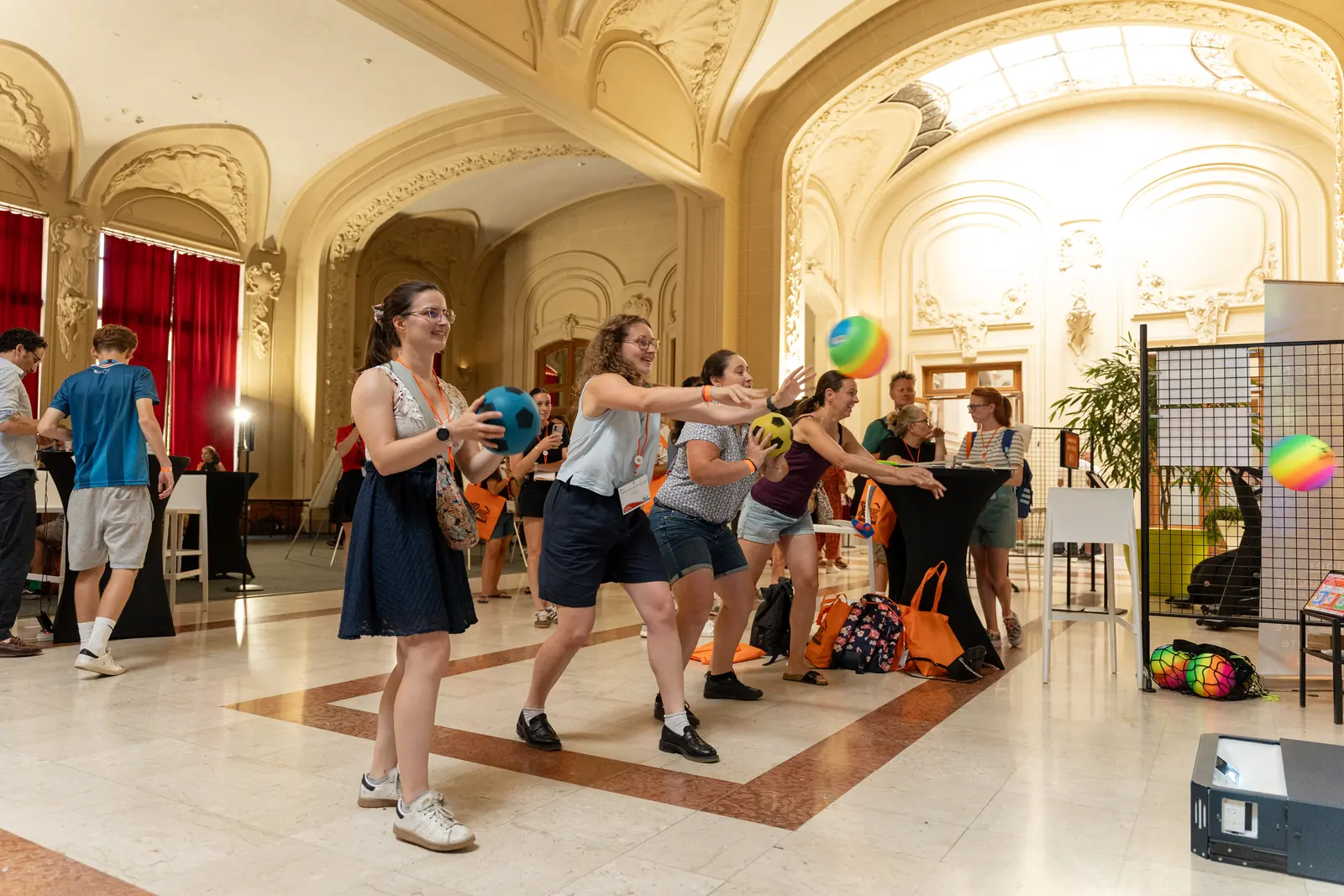
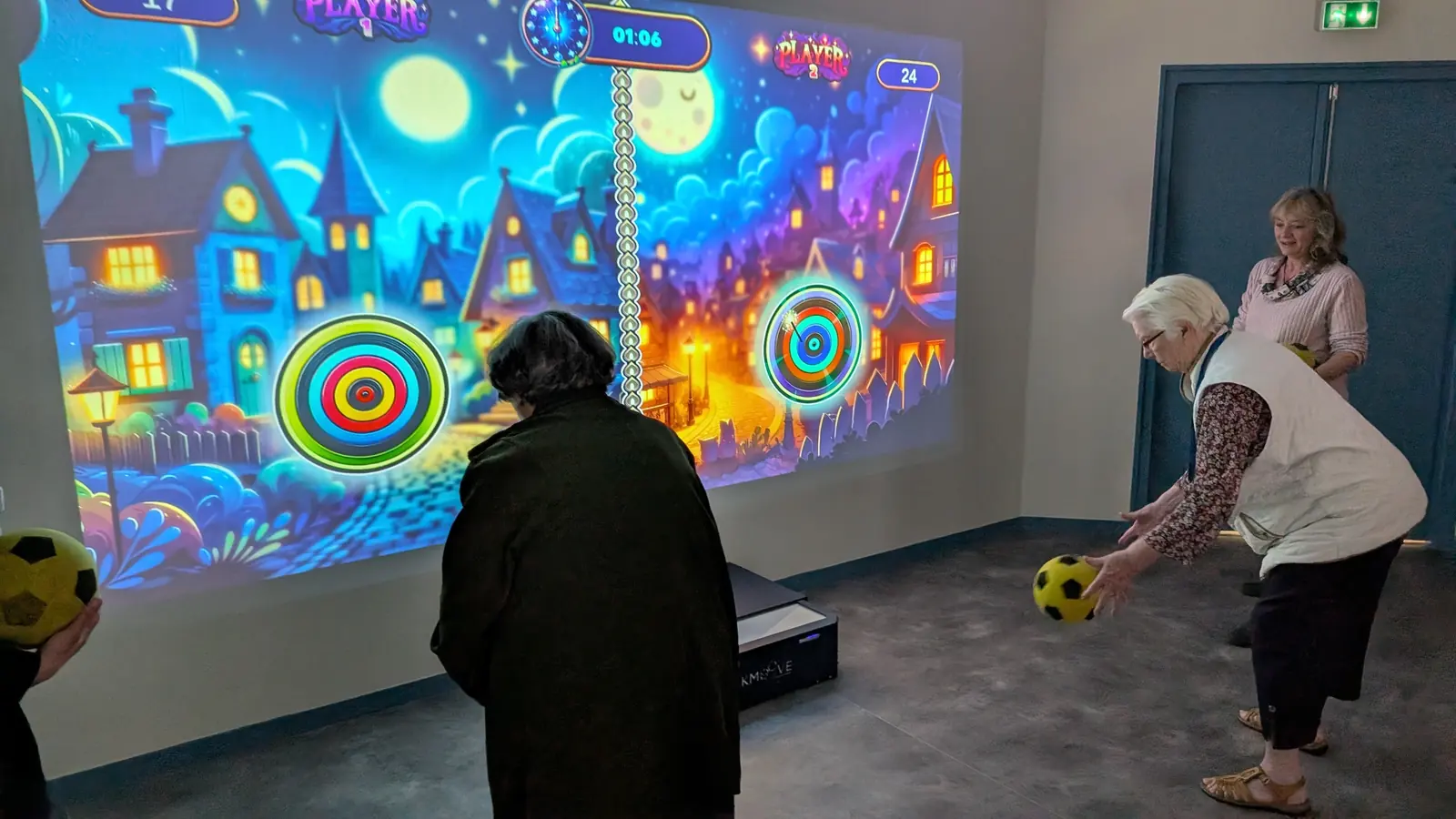
Nutrition, dental hygiene, first aid, sleep: prevention content turns into group challenges. Middle schools, high schools, town halls and public health services use the same mobile system, which can run in a nursing home in the morning and a middle school in the afternoon. The audience acts instead of listening, and remembers.
What it changes day to day
Active messaging
Your own content
Every audience
How teams use the wall
- Prevention stands in middle schools, high schools and vocational schools
- Health campaigns run by town halls and community centers
- Health awareness weeks at work or in the community
- Dental hygiene workshops
- Nutrition and physical activity campaigns
Real deployments
In public health prevention, a message that is only heard is forgotten, while a message that is acted out, including getting the wrong answer in front of everyone, is remembered.
A prevention stand that stops passers-by
Local government public health team
Nutrition and sleep stands relied on leaflets and a table, with very few spontaneous stops from the public.
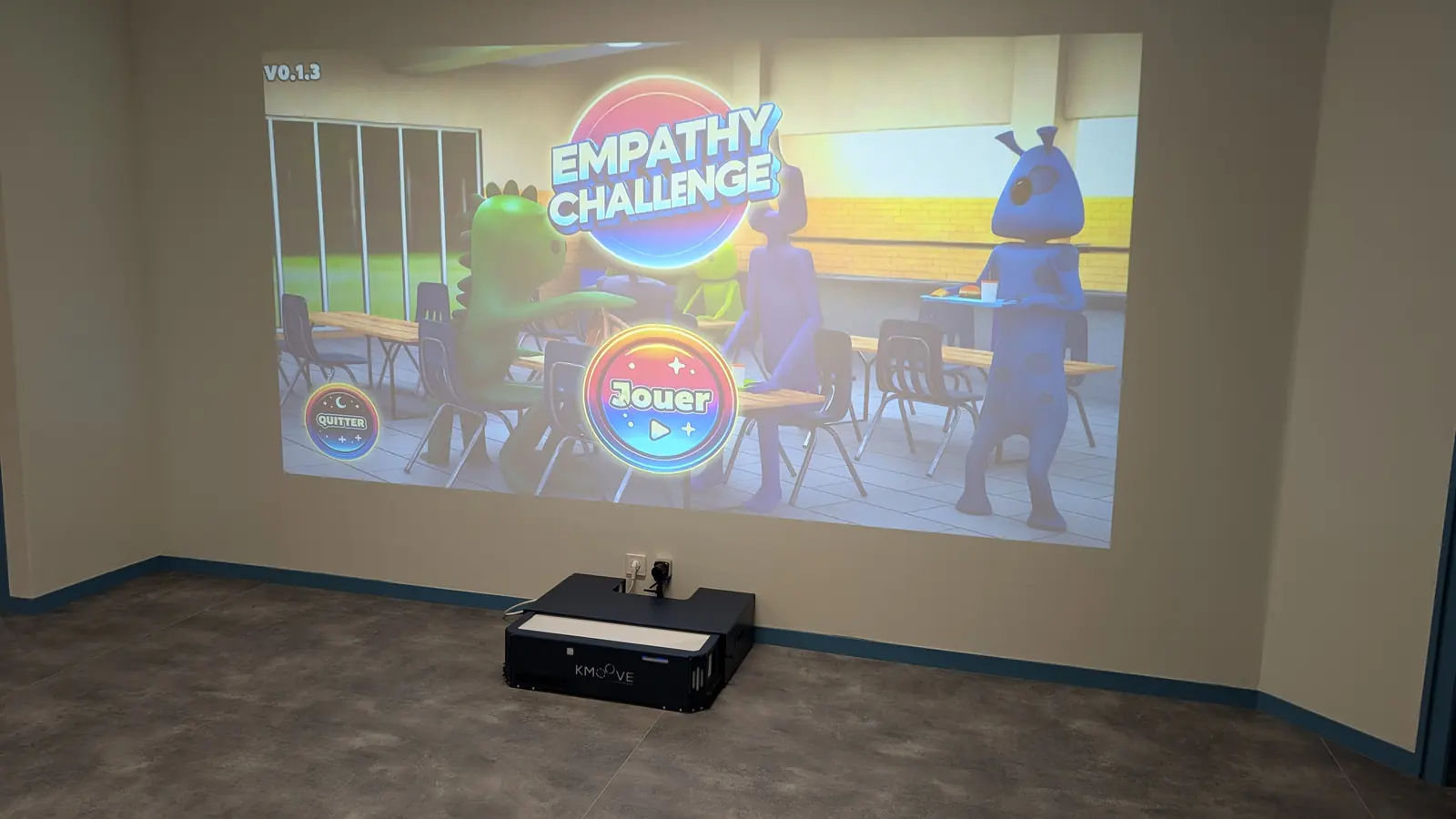
A K-Mobile projected onto a light-coloured wall, with a quiz built in Editor mode from the visuals of the current campaign.
- Passers-by stopping because the wall moves
- The message carried by the game rather than a speech
- Content reused across every date of the campaign
Hygiene and nutrition workshops in schools
Prevention workers in schools and middle schools
Classroom sessions lacked active participation, with the same students always answering.
Image sorting and true-or-false series played in two teams, mixed with short physical challenges.
- A whole class standing and involved
- Correct answers reinforced immediately by the facilitator
- The same content reused from one class to the next
A workplace wellbeing week
Occupational health service of a public employer
Workplace prevention activities mostly reached employees already engaged with the topic.
The system installed near the staff cafeteria, with continuous two-minute challenges.
- Employees taking part without prior sign-up
- An open discussion after each game
- Sleep, posture and physical activity topics addressed concretely
It's the best way to exercise while having fun. You don't realize it, but two minutes of play quickly raises your heart rate. After the game, people are much more receptive to the prevention message.
On a normal stand, you have to go and find people. Here, they come to see what's happening on the wall. We spend our time talking about nutrition and sleep instead of handing out leaflets.
Products that fit this environment
Questions we hear from teams like yours
- How do we build our own prevention messages into the games?
- Editor mode lets you build quizzes, true-or-false games and image sorting from your own visuals and questions, in a matter of minutes. The content is saved and reused throughout the campaign.
- Does it work on an outdoor or traveling stand?
- The mobile version weighs 18 kg and sets up in five minutes on a light-coloured wall or backdrop, away from direct light. A power outlet is enough, and no Wi-Fi connection is needed.
- What audiences can an interactive prevention activity reach?
- Children, teenagers, adults, seniors and people with disabilities all play on the same system: target size and speed adjust to the audience present.
- What prevention topics are most commonly used?
- Nutrition, physical activity, sleep, dental hygiene, substance use, first aid and road safety: each topic becomes a short game followed by a facilitated discussion.
- How many people can a prevention workshop welcome?
- A workshop comfortably fits ten to twenty people: five active players in front of the wall and sixteen in relay, with others observing and rotating in. On an open stand, the flow can be continuous with short two to three minute games.
- Can we rent the interactive wall for a single day?
- Yes, short-term rental is available for a one-day event, a health fair or a themed week, with delivery and set-up on site. Email contact@kmoove.com with the date and location and we will quote the project.
Tell us about your facility
Send us your room size, your audience and your timeline. We reply with a detailed quote within 48 hours.